
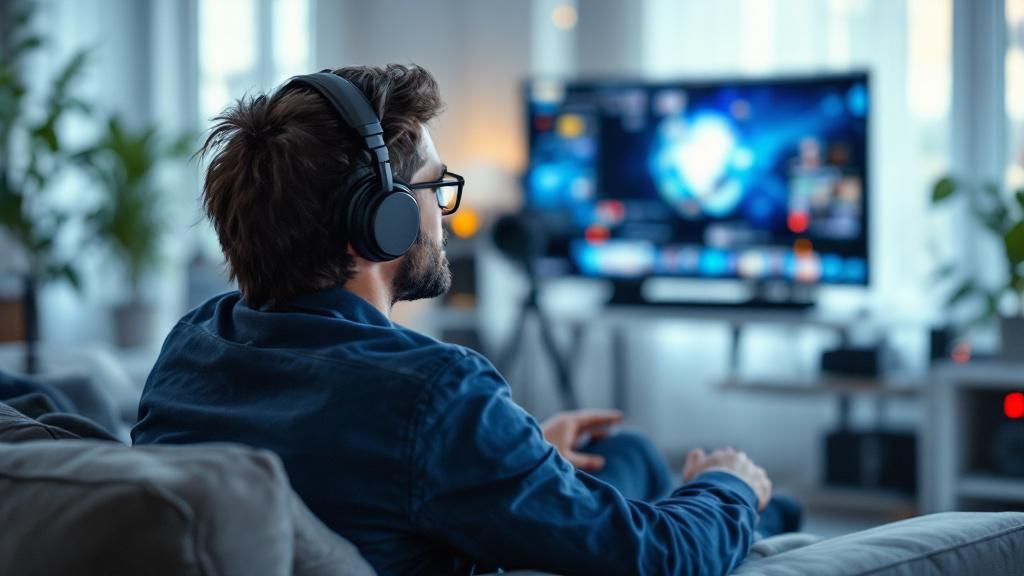
The classic cinema viewing has undergone a fundamental change in recent years, with streaming platforms fundamentally revolutionising how audiences consume films from the comfort of their homes. Gone are the days when theatre audiences had few choices; today’s viewers benefit from extensive access to extensive collections of material at their fingertips. This article examines how services such as Netflix, Disney+ and Amazon Prime have transformed the entertainment sector, analysing the technological innovations, evolving audience tastes, and cultural effects that have transformed at-home movie watching into an increasingly sophisticated and tailored experience.
The Expansion of Streaming Services in Modern Media
The emergence of streaming platforms has significantly reshaped the media landscape in the last ten years. What started as a specialised alternative to traditional cinema has become a leading force, transforming the way millions of viewers globally access visual media. Providers like Netflix, Disney+ and Amazon Prime have spent vast sums in acquiring content and original productions, establishing fierce competition against standard theatrical releases. This change reflects significant shifts in viewing habits, technological advancement and the worldwide expansion of entertainment industries, positioning streaming as the main platform through which audiences now obtain film content.
The accessibility and convenience provided by streaming platforms have proven irresistible to contemporary audiences. With subscription-based models eliminating the need for expensive cinema tickets or buying DVDs and Blu-rays, viewers can quickly browse extensive catalogues from their homes. The capacity to watch on-demand, pause whenever you like and discover tailored suggestions has transformed viewing habits. Furthermore, these platforms have made available to international cinema and varied programming, enabling audiences in remote regions to experience films previously unavailable locally. This shift represents not merely a shift in how films are delivered, but a complete transformation of how people enjoy media itself.
Convenience and Accessibility Reshaping Watching Patterns
Streaming services have significantly altered the way audiences consume cinema, eliminating geographical and temporal barriers that once constrained viewing options. Rather than sticking with rigid cinema schedules or travelling to physical locations, viewers can now watch films instantaneously from their homes, at times that match their routines. This extraordinary ease has made films more accessible, enabling people across the United Kingdom to obtain the same premium content simultaneously, regardless of their location or socioeconomic circumstances.
The digital transformation extends beyond simple ease of use, embracing digital innovations that improve the viewing experience substantially. Contemporary streaming services deliver various quality settings, from basic quality to ultra-high-definition 4K, enabling users to customise their viewing according to their connection speed and screen specifications. Furthermore, features such as customised suggestions, flexible subtitle options in numerous languages, and adaptive streaming technology ensure that films stay accessible to varied viewers, especially those experiencing sight or hearing difficulties.
Perhaps significantly, streaming services have dismantled the exclusivity that traditionally surrounded cinema releases. Films become obtainable at the same time across multiple platforms and regions, eliminating the frustration of geographic release delays. This worldwide access has created a more inclusive entertainment ecosystem, where audiences globally can engage in cultural dialogue about films in real-time, substantially changing how cinema functions as a communal cultural experience.
Quality of Original Content and Productions
Streaming services have significantly elevated the standard for new material, pouring substantial resources into acclaimed works that match conventional theatrical films. Platforms such as Netflix, Disney+ and Amazon Prime now develop award-winning films and series from acclaimed directors and screenwriters, drawing leading creatives previously exclusive to theatrical releases. This commitment has expanded reach to high-quality entertainment, allowing viewers to access theatrical-standard entertainment without leaving their homes. The rivalry between major platforms has generated an unprecedented creative renaissance, with each platform competing for artistic credibility and viewer interest through innovative storytelling and production excellence.
The range of original productions offered by online networks has reshaped consumer expectations and viewing patterns substantially. From high-calibre dramas to large-scale productions, these platforms deliver broad content selection addressing diverse interests and viewer groups. Many highly praised films now debut on digital services, reshaping traditional cinema distribution models. This change has allowed new creators to access worldwide viewers in real time, encouraging international collaboration and creative innovation. Therefore, consumers now benefit from unparalleled choice, with quality original content continuously refreshing their entertainment choices and improving their at-home entertainment considerably.
The Direction of Cinema and Audience Engagement
The evolution of streaming platforms suggests an increasingly immersive future for domestic viewing. Cutting-edge innovations such as 8K resolution, immersive sound, and VR integration are set to elevate the domestic viewing experience to new levels. As budgets for streaming content continue to match theatrical releases, the distinction between high-end cinema and home entertainment will become less clear. Audiences can expect more refined interactive features, tailored content recommendations utilising artificial intelligence, and seamless integration across multiple devices, substantially transforming what it means to watch films at home.
At the same time, the relationship between streaming services and conventional movie theatres is evolving into a increasingly collaborative relationship rather than purely competitive rivalry. Studios now acknowledge the value of cinema releases for major blockbusters whilst adopting streaming for varied, specialist programming. This blended approach serves viewers by preserving the communal cinema experience whilst broadening access for those who cannot visit theatres. The future certainly belongs to a varied media landscape where streaming platforms and traditional venues coexist, each serving distinct audience preferences and consumption habits in an ever more customised media landscape.
